On the pedagogy of knowledge
"To be a teacher is my greatest work of art" - Joseph Beuys
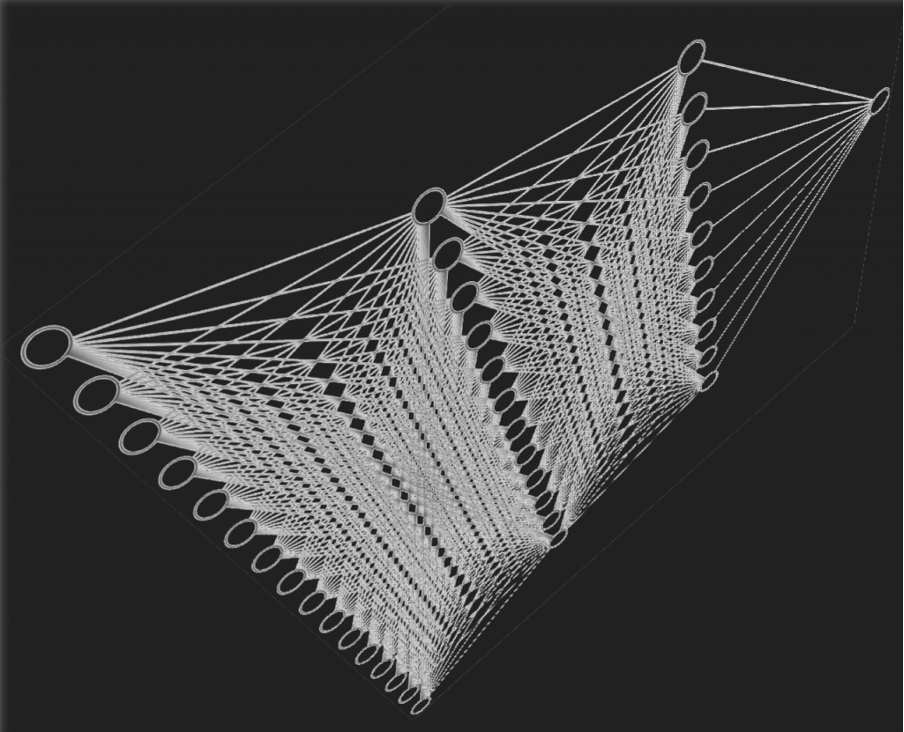
My teaching is guided by the conviction that the critical study of technology cannot be separated from the social relations from which it emerges. This is why I aim to equip students with the conceptual tools to understand how economic logics become embedded in technical systems — and, conversely, how technological infrastructures reshape the conditions of economic life. Whether examining the cultural history of Silicon Valley, the promises and failures of cryptocurrencies, or the computational foundations of marketless economies, my courses treat technology neither as neutral instrument nor as autonomous force, but as a site of political contestation. Moreover, any informed critique of its social effects requires a rudimentary understanding of its technical composition. Hence, I try to embed also technical elements into my introductory courses on sociotechnical formations such as artificial intelligence.
Equipped with such a conceptual foundation, my pedagogy aims to provide students the agency to shape the overall direction of coursework. Although it is one of my greatest joys to work on the dramaturgy of a course, I want students' interests to be well represented in the material, because it is their motivation that is key to a stimulating seminar. Beyond any pessimism surrounding AI slop, I hold the firm belief that the far greater problem than unmotivated students is the endemic malaise of lazy teachers who fail to ignite excitement. If teaching is a work of art, then it demands the same rigour and curiosity as any other creative act.